
Registration:
When?
29. & 30. August 2026
Where?
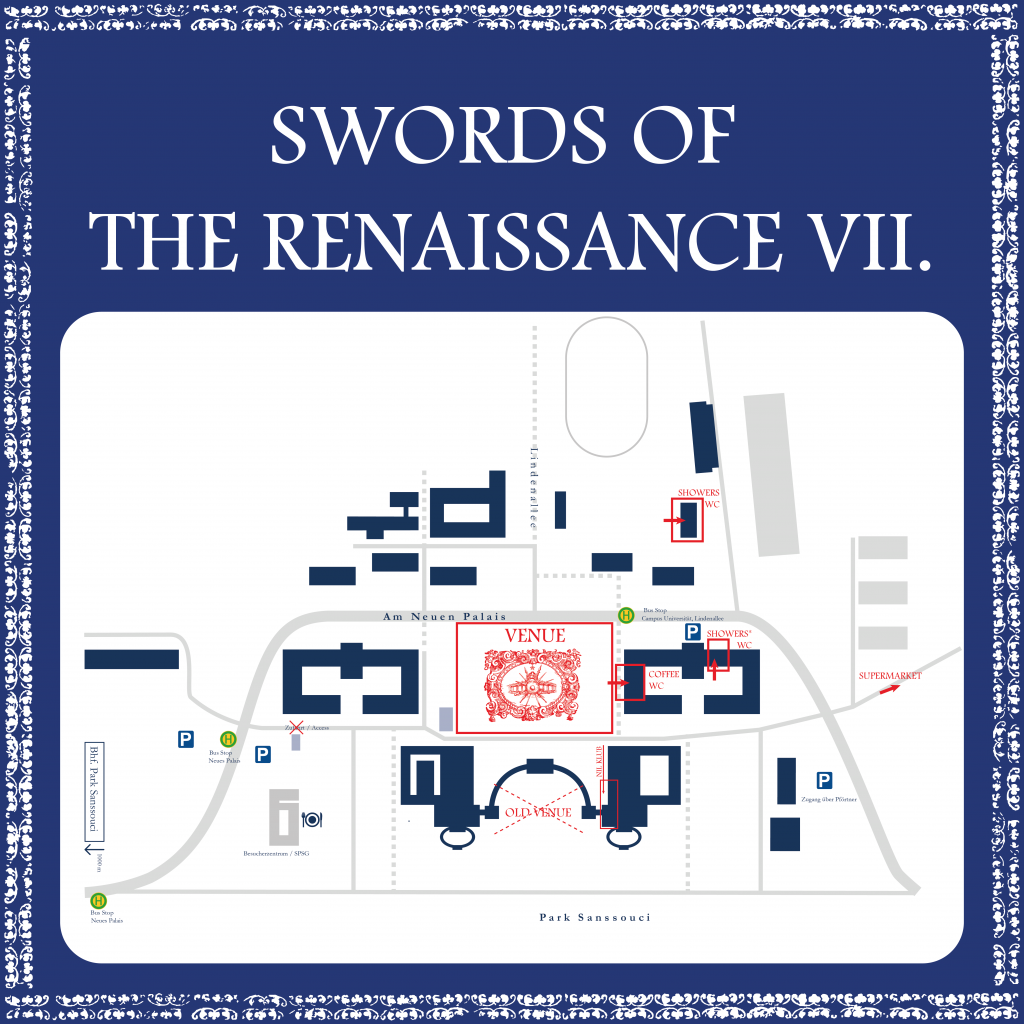
Primary location: Am Neues Palais, Potsdam 14469
Alternative location (in case of weather): tba
What?
This event is dedicated to the diverse fighting styles and weapons of the Renaissance period. Our goal is to offer both an overview and a space for focused exchange, experimentation, and learning. Following the very positive reception in 2025, we are continuing with the new format, further refining the connection between experts and participants around specific topics.
Morning Sessions
We’re keeping the proven format: Four invited instructors will each offer two 90-minute workshops.
Each workshop will be held twice, so all participants can attend both without having to choose.
Afternoon Sessions – Break-Out Tracks
Instead of classic headliner workshops, the afternoons will feature themed tracks with specialized mini-workshops, talks, and demos in smaller groups.
Tracks may include Vadi, Destreza, Sidesword, Fabris, or other traditions.
Each track runs for around three hours and features multiple experts offering 20–30-minute sessions on their unique perspectives.
There’s time between sessions for hands-on practice, discussion, and free fencing.
Workshops remain individual, and participants are free to switch between tracks.
One example: the Fabris Track, where several instructors present short, focused takes on different aspects of Fabris’ fencing.
We aim to create an open and inclusive atmosphere that reflects both the diversity of historical martial arts between the 15th and 17th centuries and the diversity of today’s practitioners.
Prices and Options
Participation in the event costs 90 € for both days or 55 € for a single day. For 15 € per day, you can book the popular lunch buffet, and for 20 €, you can add an optional event shirt to your registration.
(Due to the general economic situation, we unfortunately had to slightly adjust the prices. However, we are offering a limited number of discounted spots for helpers. If you are interested, please contact us in advance at events@schildwache-potsdam.de. Please note that, depending on your role, you may not be able to participate in all workshops.)
The evening programme will be paid individually in cash at the location.
Food & Community
A lunch buffet (as popular as ever!) will be organized again this year. In the evening, we’ll head out to dinner together near the venue.
If the weather is good, the event will be held outdoors and open to spectators.
If it rains, we’ll move inside and keep it cozy and relaxed.
Important Note
There will be no tournament or competitive format. This event is all about shared learning in a cooperative and friendly environment.
Required Equipment
Minimum: mask, neck protection, and light gloves.
A fencing jacket is also recommended, especially for thrust-focused workshops. Additional protection based on your personal preference is welcome.
We’re looking forward to an inspiring and enjoyable weekend with you – filled with great fencing, great food, and great people.
See you in Potsdam at Swords of the Renaissance 2026!
Timetable:
| Saturday | Sunday | |||||||
|---|---|---|---|---|---|---|---|---|
| Ground I | Ground II | Ground III & IV | Ground I | Ground II | Ground III & IV | |||
| 9:00 – 9:30 | Registration | Waking-Up | ||||||
| 9:30 – 10:00 | Welcome & Warm-Up* | Warm-Up* | ||||||
| 10:00 – 11:30 | Guy Windsor Move like Capoferro and Lunge like it’s 1610! | Fran Lacuata Bolognese breakthrough | Open-Ground | Diana Matthess Dussack according to Joachim Meyer | Guy Windsor Move like Vadi and Parry like it’s 1482! | Open-Ground | ||
| 11:30 – 11:45 | breather | breather | ||||||
| 11:45 – 13:15 | Diana Matthess Dagger according to Codex Wallerstein | Dave Rawlings Dos Espadas “Godinho but I will tell you | Dave Rawlings So they brought a Longsword to a rapier fight | Fran Lacuata Change the game: proceed with resolution | ||||
| 13:15 – 14:05 | Lunch | Lunch | ||||||
| Breakout-Tracks | Coaching and Training Planning | The Fencer’s Toolbox | A Typical Rapier Track | German Fencing: Weapons, Guards & Traditions | The “No Protective Gear Needed” Track | Tactics – for Fencing and Community Building | Thrusty Timecourse | Sidesword: Systems and Traditions |
| 14:05 – 14:35 | Tobias Schromm „How to structure your training schedule more efficiently“ | breather | Nadja von Cieminski „The Destreza Kick“ | breather | Sarina Wagner „Introduction to Renaissance Dance“ | breather | John Quang Lam „Tired of Dealing with the Rapier’s Length?“ | breather |
| 14:40- 15:10 | breather | Chris Lee-Becker „The Montante as a Symbol and Weapon of the Iberian Fencing Master“ | breather | Franziska Müller „Can we used short-ranged weapons the same way?“ | breather | Fran Lacuata „Safe spaces and friendly spaces: building strong communities in HEMA“ | breather | Mike Prendergast „Fencing as a System in Pietro Monte“ |
| 15:15- 15:45 | Michael Moritz How to get the most out of the training as a Zufechter or coach – for you and your partner | breather | Leonardo Salomao Dos Reis „Deadly Rapier Spins: The Girata in Practice“ | breather | Ralf Gutzeit „Sicheres Blossfechten„ | breather | Rui Ferreira „Senese’s Perspective“ | breather |
| 15:50- 16:20 | breather | Emilia Skirmuntt „Solo Fencing Drills“ | breather | Bjarne Kortmann Lecküchner’s Legacy in Meyer’s Dussack and Sidesword | breather | Viktoria Chudinov „Four humours of fencing“ | breather | Vesa Pihlajaniemi „Many faces of tramazzone in bolognese sidesword“ |
| 16:25- 16:55 | Melissa Kleiß „Coaching under pressure: Supporting fencers in competition“ | breather | Radek Duszyński „Non-Linear Movement in Fabris’ Proceeding with Resolution“ | breather | Robin Vogelei „Fencing in the Tradition of Joachim Meyer’s 1570 Bookprint from Strasbourg.“ | breather | Guy Windsor Move like Angelo and Salute like it’s 1763! | breather |
| 17:00- 17:30 | breather | Tobias Prüwer Dirty little Fingers: Fine Motor Skills in Weapon Handling | breather | Marina Hertlein „Alber – a little-used Hut & its practical application“ | breather | Jesse Gerdes „The four archetypes of fencing, now and in the past“ | breather | TBA „TBA“ |
| 17:45- 19:00 | Open-Ground & Discussion | Farewell | ||||||
| 19:30 | Social Event: Bar & Pizza | |||||||
| *centralized warm-up session with Guy Windsor or time for individual warm-up before the workshop starts. For more information, please see below | Full Workshop | Workshop | Lecture | Discussion | ||||
Our workshops (90 min):
Dos Espadas “Godinho but I will tell you”
practical applications of Godinho’s two sword systemagainst one & multiple opponents.
“So they brought a Longsword to a rapier fight”
Girard Thibault on beating up(or not dying to) longsworders.
These classes will be “stick where you are comfortable” I will show you a basic formation of technique and we will build upon it, at each level you and your partner can choose to stick with the previous stage or advance on. This will give us maximum capability for happy participants.
It will be minimum gear, maximum control, calm, cognitive walk throughs, keeping our partners safe.
Two swords will require two swords (any single handers). Thibault will require one longsword and one single hander per pairing.
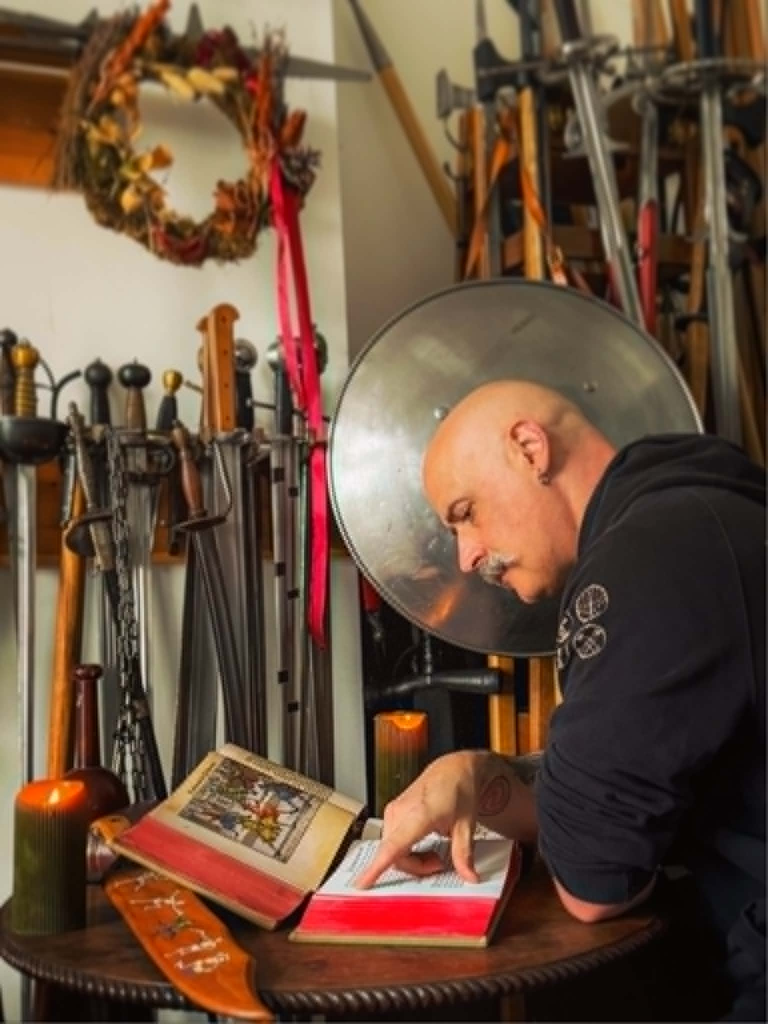
About the instructor: David Rawlings has been studying various martial arts from the age of 5, and has over 25 years’ experience teaching Western Swordsmanship. He is one of only very few professional swordsmen in the world and bases his tuition on his extensive research of medieval to Renaissance swordsmanship texts. David is a leading figure in the HEMA community where he is held in extremely high regard for his ever-evolving martial understanding and research into the early sword and weapon arts.
In 2000 he founded the London Longsword Academy, which is today one of the globally leading fencing clubs for professional swordsmanship, offering the greatest variety of historical European martial art disciplines in Europe. In addition to being the master at arms of his academy in London, David teaches extensively across Europe and holds professional HEMA seminars all over the world.
Public figure, renowned swordsman and HEMA expert, David Rawlings has been featured in the Entertainment Insider, evaluating sword fighting scenes from popular films and TV series, in documentaries such as Richard III: The New Evidence (Channel 4), Warriors (History Channel), Bloody Tales of the Tower (National Geographic) and many more.
He has also produced several highly acclaimed training DVDs. Furthermore, he advised the Wallace Collection on exhibitions like “The Noble Art of the Sword” and has choreographed Monteverdi’s Tancredi e Clorinda.
Dussack according to Joachim Meyer
In this workshop, we will try out selected Dussack techniques according to Joachim Meyer, including actions such as the Rosenhau and the Brummerhau. Meyer’s Dussack fencing offers a wide range of tactical ideas, striking patterns, and useful solutions for many different fencing situations.
This workshop is suitable for participants who want to explore Meyer’s dynamic approach to Dussack fencing through practical exercises and technical interpretation.
Dagger according to Codex Wallerstein
In this workshop, we will explore selected dagger techniques from the Baumann Fechtbuch, also known as Codex Wallerstein. We will work closely with the historical source while also testing, interpreting, and adapting the plays together through practical training.
Expect close-distance work, structured experimentation, and a hands-on approach to understanding the mechanics behind the techniques.
Important: Please do not forget your groin protection.
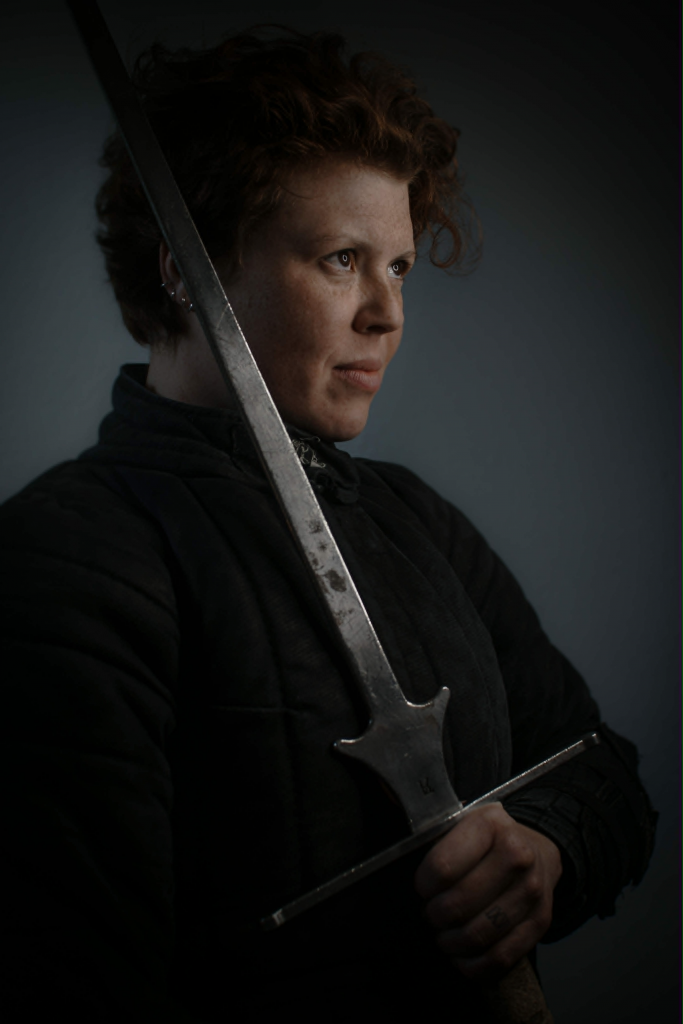
About the Instructor. Diana Matthess began practicing HEMA in 2013 at a club in Mannheim. After moving to Cologne in 2017, she decided not to join a new club and has since been travelling through the HEMA world as a sword nomad.
Her fencing journey has taken her to many different clubs, events, and training environments, giving her a broad and practice-oriented perspective on historical fencing.
Bolognese breakthrough
Arguably the most notable characteristic of Bolognese fencing is the movement, the lateral footwork. In this class we will explore the principles of a closely guarded secret of the Bolognese masters to teach movement, measure and tempo – the segno.
This class is suitable for all experience levels and applicable to a number of weapons: “especially with sharp weapons (targa, rotella, large buckler, single sword, and cape, sword and dagger, and two swords.)” Marozzo – Opera Nova 1536
You will need a straight single handed sword, ideally a sidesword but an arming sword or similar will do. Come and unlock the secrets, and your potential!
Change the game: proceed with resolution
Do you hate lunging? Do bigger opponents hit you before you even decide what to do? Well worry no more because we are going to learn Fabris’s andare di risoluzione, or proceeding with resolution: what it is, what it isn’t, how to do it and when to do it. By the end of this workshop you will have a better understanding of being in and out of measure, gaining the blade, passing with small steps and presenting a smaller target. You will need a mask, gorget, gloves, chest protection and a rapier. Jacket optional.
Break-Out: Building Strong Communities In HEMA
In this lecture Fran will talk about lived experiences in her sixteen years as a HEMA school leader and event organiser. She will reflect on the work required to create a community everyone wants to be part of.
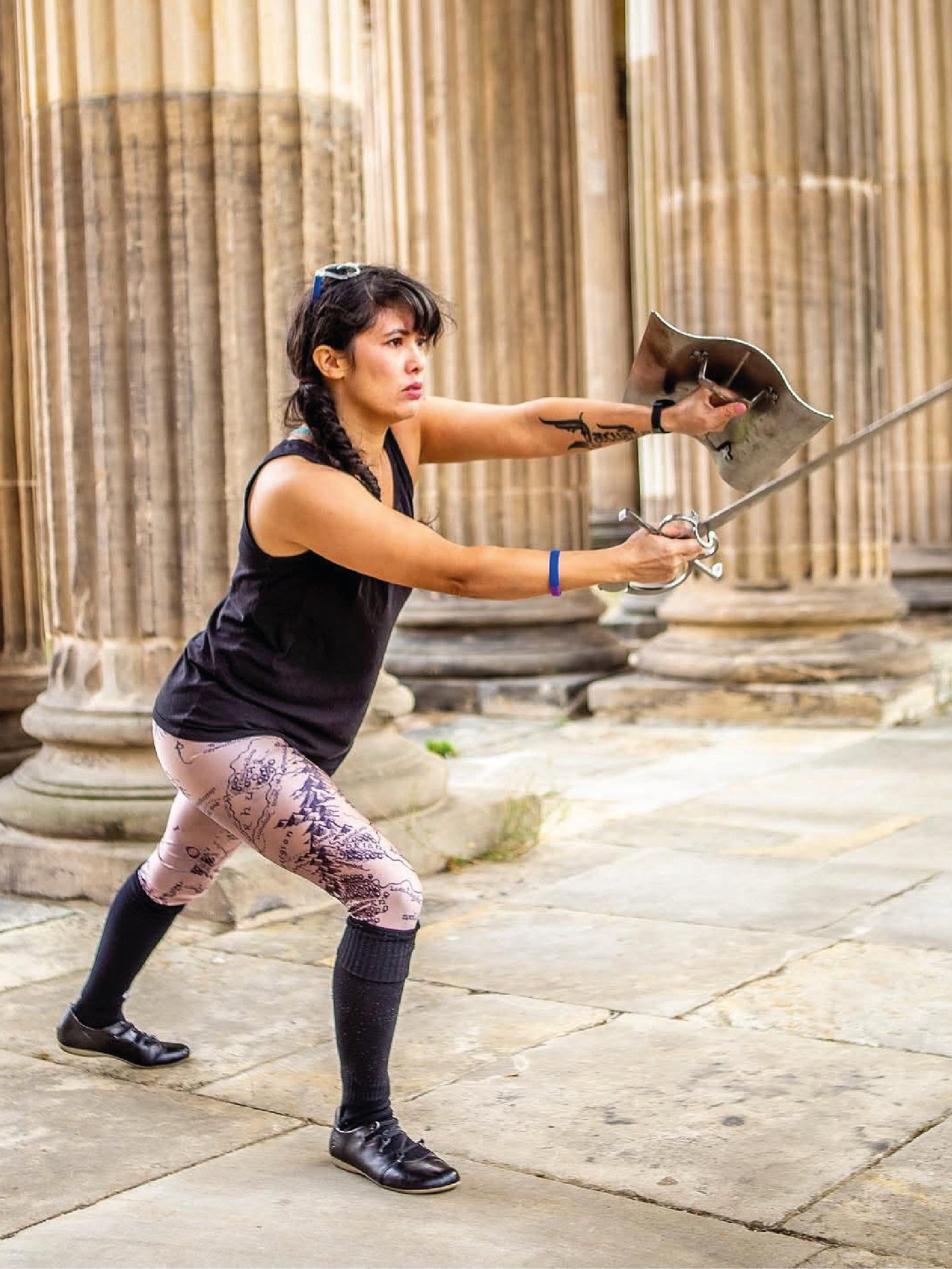
About the instructor: Francesca Lacuata is an instructor at The School of the Sword’s Godalming chapter, which she founded in 2015 having studied Bolognese swordplay and rapier since 2010. She has a further interest and experience in renaissance dagger-fighting, Bartitsu and longsword. Fran has instructed at high-profile events in Britain, Europe and the US; and has placed in and won over thirty international competitions.
As a writer, Fran has demonstrated, panelled and presented on historical fencing and real-world violence at lectures and writers’ conventions, including Fantasycon and at the Wallace Collection.
Fran has organised over 30 international events starting with the International Rapier Seminar 2016. She co-founded Waterloo Sparring Group in 2012, which facilitates inter-group sparring from clubs all over the south of England and beyond. Fran was a founder of the Wessex League series of events as well as The English Sidesword Open and the Albion Cup.
By The Sword is an event for under-represented genders founded by Fran, and is also the title of her podcast series where she interviews numerous members of the global sword community. Fran was also a founding member of Esfinges, a worldwide organisation for women in HEMA.
Move like Capoferro and Lunge like it’s 1610!
Capoferro’s rapier style is famous for its demanding mechanics, with extreme positions and precise body alignment. In this class we’ll break those mechanics down into their essential principles so you can understand not just what to do, but why.
We’ll establish the guard position, explore the fundamental footwork (pass, lean, lunge, advance and retreat), learn how to hold the sword correctly, and see how closing the line with quarta and seconda shapes everything that follows. We’ll then put those mechanics to work in a selection of Capoferro’s fundamental techniques.
Whether you’re picking up a rapier for the first time or have years of experience, you’ll come away with a clearer understanding of how efficient mechanics make every action faster, stronger and more reliable.
You will need a rapier and a fencing mask.
Move like Vadi and Parry like it’s 1482!
Filippo Vadi’s longsword system has a character all its own. His guards, blows and transitions create a style of movement unlike Fiore, Liechtenauer or the Bolognese traditions. Learning to move the way Vadi intended opens up his tactical ideas in a way that importing a movement style from somewhere else can’t.
We’ll explore Vadi’s distinctive guards and generate both full and half blows, and discover how these movements flow naturally into the opening plays of the sword. Along the way we’ll see how Vadi’s mechanics solve familiar fencing problems in surprisingly elegant ways.
The class is designed to give beginners a solid introduction to Vadi’s system while offering experienced longsword fencers fresh insights into movement, timing and structure that transfer well beyond Vadi himself.
You will need a longsword and a fencing mask.
Break-Out: Move like Angelo and Salute like it’s 1763!
Every fencing tradition has its signature movement. For eighteenth-century smallsword, it’s perhaps Angelo’s famous salute.
In this fast-paced fifteen-minute session we’ll learn to draw the sword, assume the guard position, and perform the salute described in The School of Fencing: “The Salute in Fencing Generally Made Use of in all Academies Among Gentlemen Before They Assault or Fence Loose.”
The salute is far more than good manners. It’s a beautifully designed sequence that develops posture, balance, coordination and elegant weapon handling. It’s the perfect introduction to Angelo’s system, and great fun to perform.
You will need a smallsword (or similar training sword) and a hat. Any hat will do, but if you have a tricorn, this is your chance to wear it!
Morning Warm-Up*
Join Guy as he gets his 52-year-old carcase ready for a day of historical fencing.
We’ll begin with a survey of all the joints, get moving gently, and gradually build up to the ranges of motion, balance and coordination we’ll need for the arts we practise. The aim isn’t to get tired, it’s to get ready, so you’ll fence better and reduce the risk of injury.
Suitable for everyone, from the barely awake to the painfully enthusiastic. If you already have a warm-up routine that works for you, you’re very welcome to incorporate it into the session.
About the instructor: Consulting Swordsman Dr. Guy Windsor is acclaimed and respected both as a teacher and a pioneering researcher of medieval and renaissance martial arts. He began his professional historical martial arts career when he founded The School of European Swordsmanship in Helsinki, Finland in 2001. Awarded a PhD by Edinburgh University for his seminal work recreating historical combat systems, Guy has written numerous books for historical martial artists, such as The Medieval Longsword, The Medieval Dagger, From Medieval Manuscript to Modern Practice: the longsword techniques of Fiore dei Liberi, The Art of Sword Fighting in Earnest, The Duellist’s Companion, The Swordsman’s Companion, The Theory and Practice of Historical Martial Arts, The Rapier Workbook series, and The Armizare Workbook. His latest book is From Medieval Manuscript to Modern Practice: the wrestling techniques of Fiore dei Liberi.
He has traveled the world as an in-demand teacher and lecturer, and even developed the card game Audatia – bringing the thrills of historic swordfighting to the modern gaming audience. He has also created a huge range of online courses, covering medieval knightly combat, sword and buckler, rapier, remedial training, and even how to train alone. Now, Guy splits his time between researching historical martial arts; writing books and creating online courses, teaching students all over the world; and working as a consulting expert. He runs the popular historical martial arts podcast The Sword Guy, interviewing historical martial artists and experts from a wide range of related disciplines.
You can find him and his work online at swordschool.com
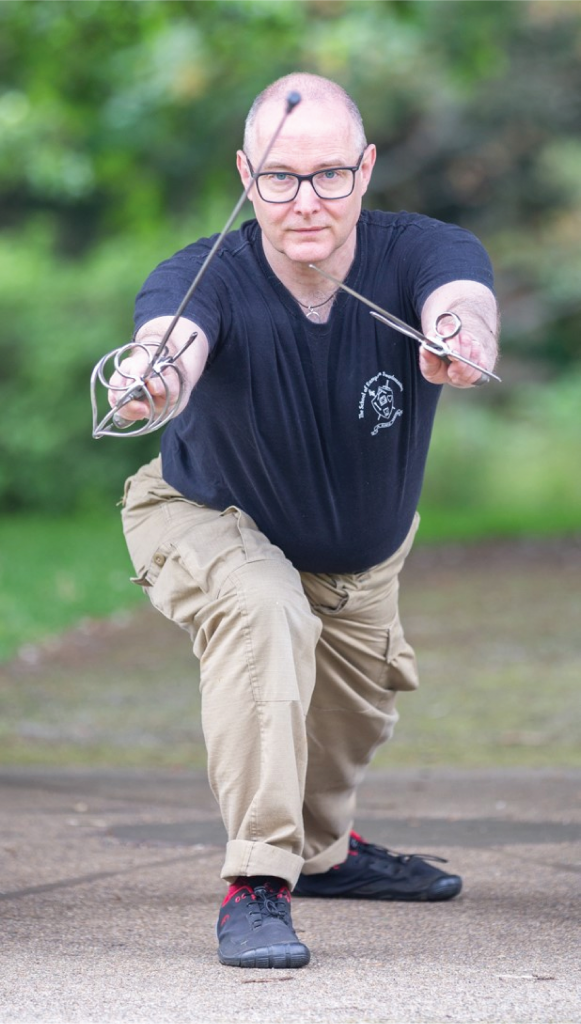
Our break-out sessions (~30 min):
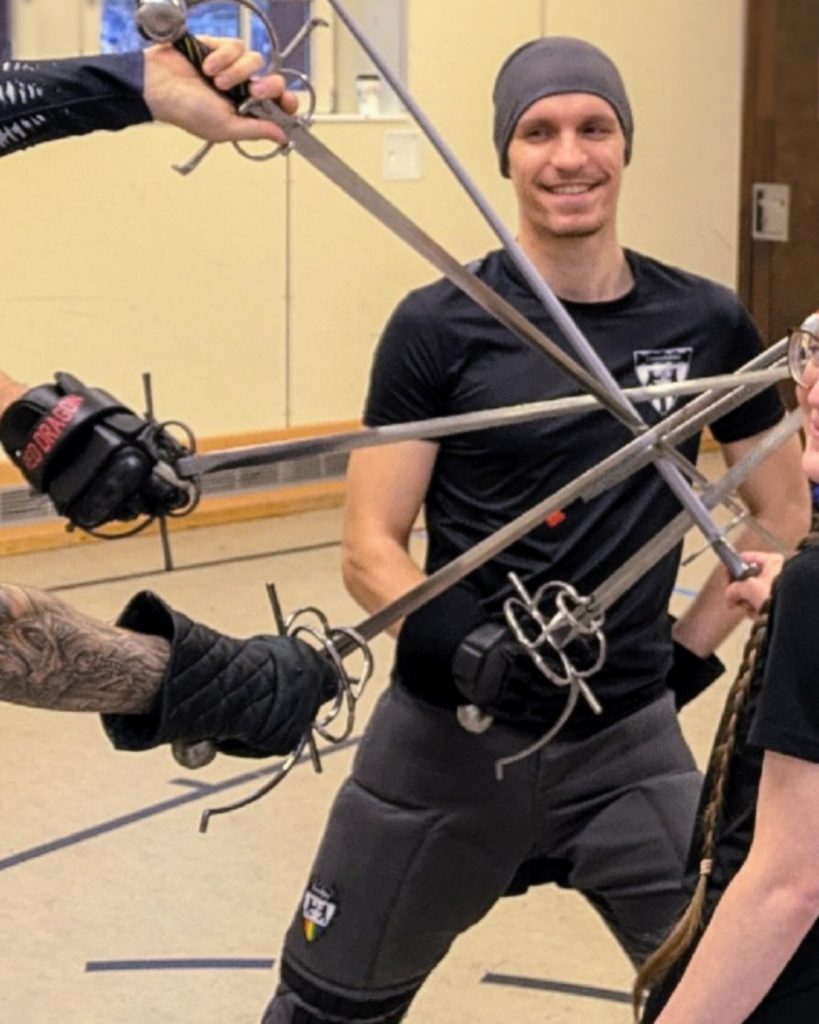
Lecküchner’s Legacy in Meyer’s Dussack and Sidesword
Lecküchner’s 1478 Messer manuscript was not only copied for around a century by the likes of Dürer and Mair, it also made its way into Meyer’s fencing system of 1570 in more obscure ways.
Together, we will look at his single-handed swords and check terminology, techniques, tactics and principles, trying to disentangle fencing traditions from the late Middle Ages to the Renaissance.
Bring any one-handed sword and a mask 🙂
About the Instructor. Bjarne is the Messer instructor and president of Twerchhau in Berlin. He got started with HEMA in 2021 and recently began teaching workshops on Messer, Longsword and training methodology at other clubs in Germany and abroad.
As an archaeologist, he has spent the last 10 years analyzing and synthesizing historical information and presenting it to critical peers for a living. Doing the same with sword in hand is more fun, he admits. You can hit people when they claim you are wrong.
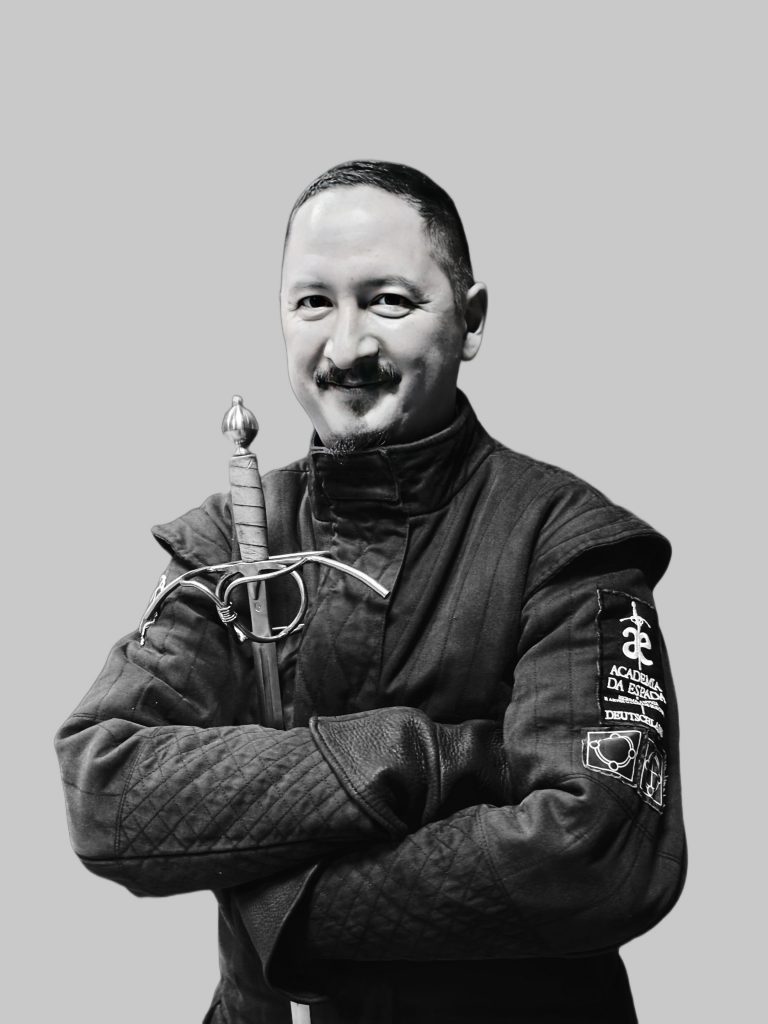
The Montante as a Symbol and Weapon of the Iberian Fencing Master
More than just a formidable two-handed sword, the montante was a defining symbol of the Iberian fencing master. This lecture explores its role as an emblem of authority, status, and martial expertise within the Iberian tradition.
About the Instructor. Chris is the instructor and head of the Academia da Espada Deutschland.
He started with historical fencing in 2017 and in the end of 2019, he has specialized in fencing according to La Verdadera Destreza.
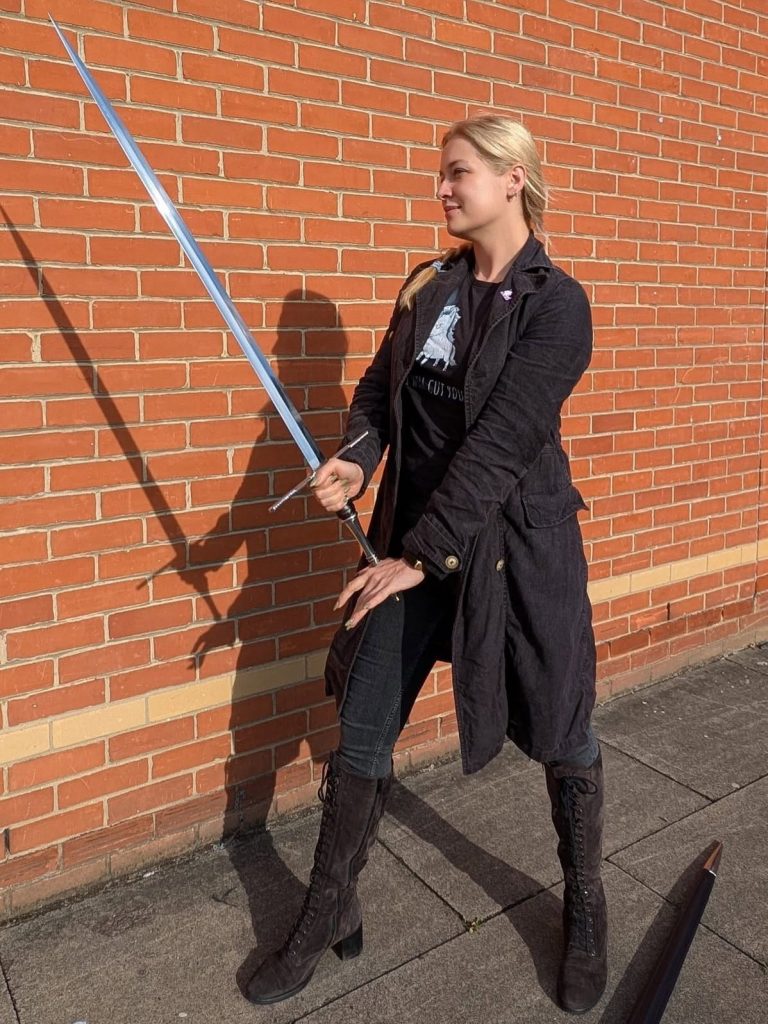
Solo Fencing Drills
Solo drills are a great way to develop technique, coordination, footwork, timing, and body mechanics without needing a partner. This workshop will explore practical exercises that can be practised alone, from simple movement patterns to more complex combinations and tactical scenarios. We’ll look at how to structure solo practice so that it reinforces good habits and translates effectively into partnered fencing. Suitable for fencers of all level s, with drills adaptable to different weapons and fencing traditions.
Equipment: Gloves and sword
About the instructor: Emilia has trained how to hit people with swords and other objects for more than 25 years. During that time she has studied multiple weapons, systems, and in multiple different clubs, starting in Poland and then moving to London and Oxford. She has won medals in both women as well as open competitions both in the UK and abroad, fighting with longsword, rapier, rapier and dagger, saber, sidesword, and sidesword and buckler. She was also voted best technical fencer of By the Sword 2019. Emilia travelled around Europe leading workshops and seminars and was one of the representatives for the UK and Ireland HEMA team in the European Games taking place in Minsk in 2019. She is a member of the organising committes for the Wessex League, and Albion Cup, the biggest international competition in the UK. She also organised English Sidesword Open In Oxford in 2018. Currently she is the head instructor for the Oxford Chapter of The School of the Sword. She teaches Italian longsword, dagger, rapier, sidesword, unarmed, and tomahawk techniques.
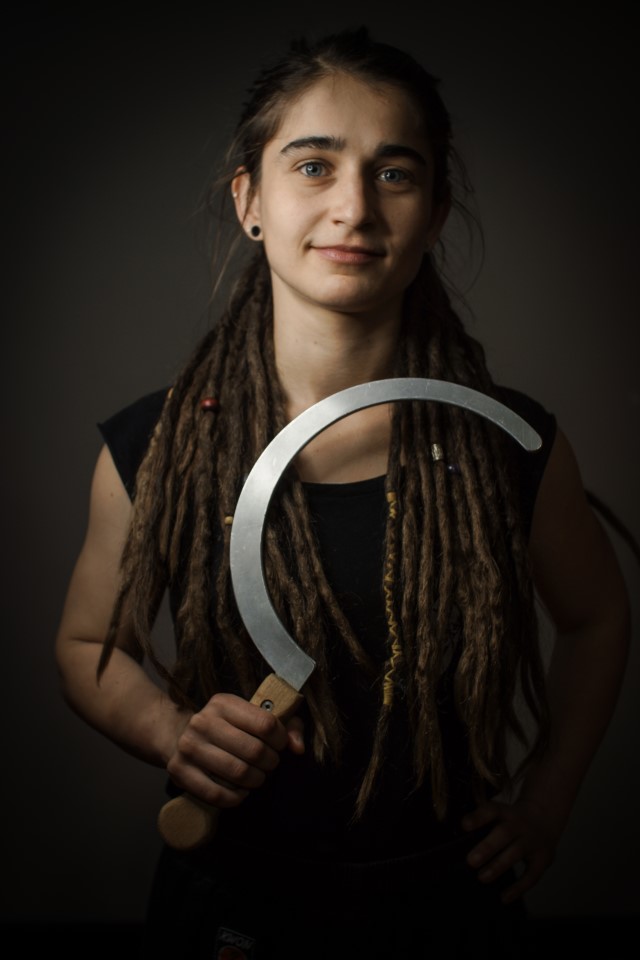
Sickle and Dagger – same but different?
In my breakout session we will take a look at two close-ranged weapons: the sickle and the dagger. Both of these weapons are used at close combat.
We will examine the differences between the curved blade of the sickle and the straight blade of the dagger. Through this comparison, we will examine what these differences reveal about the structure, intent and application of short weapons.
The aim is to highlight the similarities and differences between these weapons and demonstrate why they do not necessarily function in the same way.
About the Instructor. My fencing journey began in 2019 with the longsword. Since then, I have been training at Schwert & Bogen and I am teaching there for over four years.
Currently I am helping to organize the kids training. My studies with the sickle began during the pandemic, the main work and ideas came from working with Andreas Fuchs. We worked together on the principles of movement and characteristics of the weapon and tried them out. Also I was able to gain experience in kickboxing and Jiu Jitsu, which further developed my passion for fighting.
Learning different movement patterns and engaging in physical activity gives me great joy, which i love to share with others.
The four archetypes of fencing, now and in the past
In modern fencing exists four archetypes of fencing: Push-Initiative, Pull-Initiative, Push-Defense and Pull-Defense. In these lecture those archetypes will be explained and we will look how they are represented in the manuscript of old.
About the Instructor.
2003 – 2010: Fencing with Foil
2012 – 2022: Lessons in MMA
2012 – 2018: Lessons in Theaterfencing
2021 – now: HEMA Fencer and Trainer
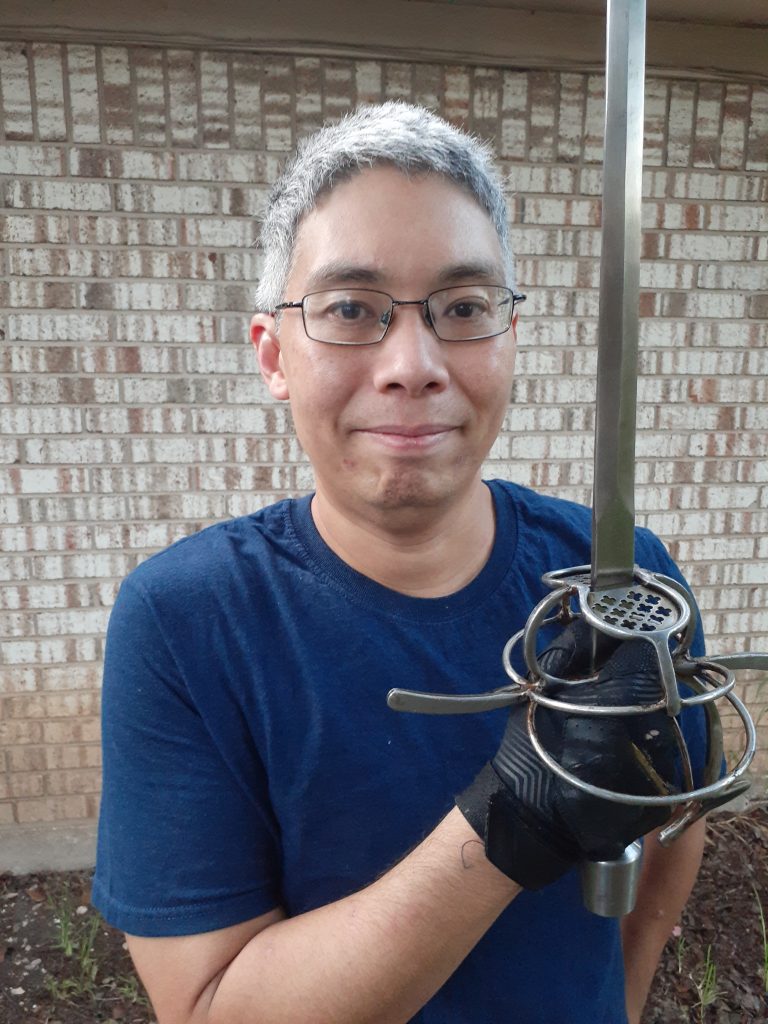
Tired of Dealing with the Rapier’s Length?
The rapier is an excellent sword with many advantages. Excellent reach, fast thrust, and maneuverable. However it has weaknesses.
This workshop is for people who prefer shorter swords. Theory and practical help to deal with the rapier.
About the Instructor. John Lam started his learning about sword fighting arts in the SCA. While in the SCA he had the privilege to learn about rapier fighting from a talented instructor. This gave him a foundation that grew into a love for this art.
After a 6 year hiatus, he trained with a local HEMA group in Waco, Texas in 2014. While there he trained in arming sword and shield, pole axe, spear, sidesword, and saber.
He is currently in the process of developing a sword fighting Tai Chi curriculum.
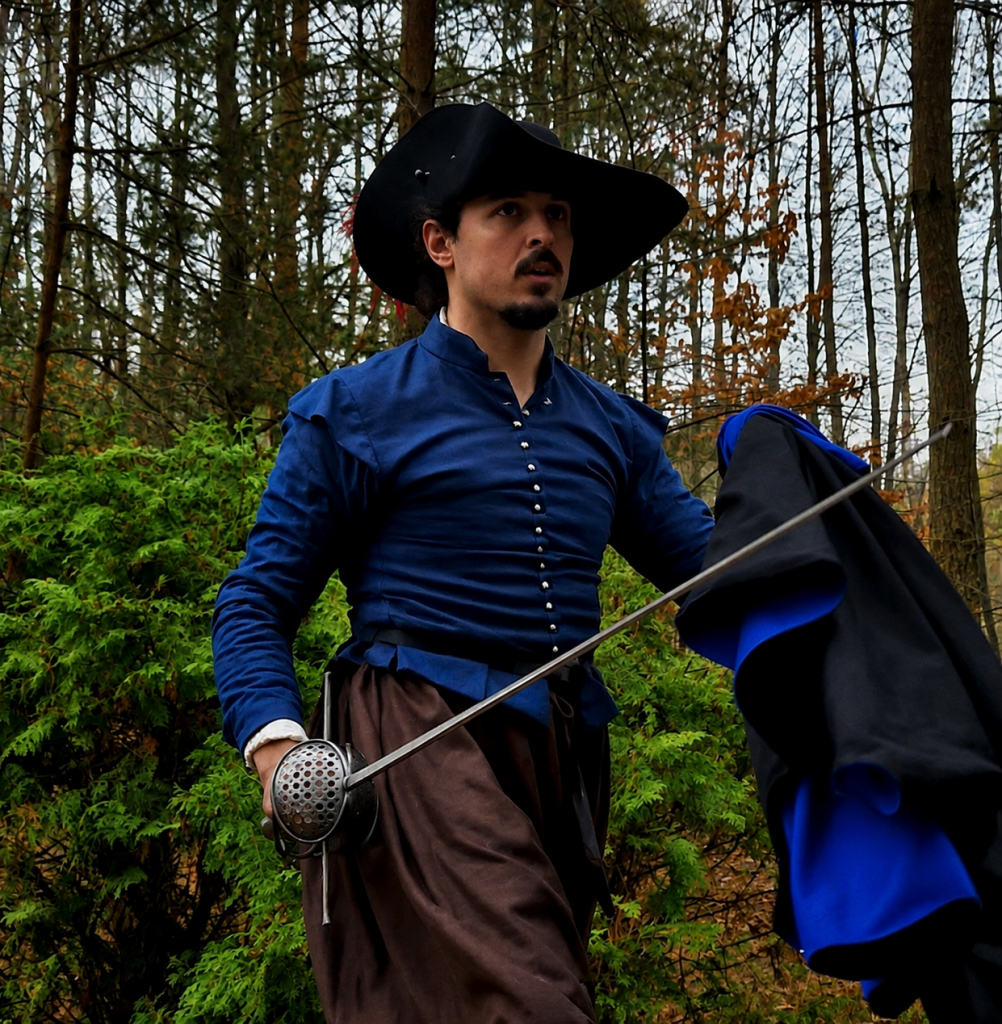
Deadly Rapier Spins: The Girata in Practice
The girata is one of the most iconic techniques among Italian rapier masters like Fabris and Capo Ferro. At first glance, it looks complicated to execute, but once mastered, it becomes a powerful tool.
In this lesson, you’ll work through tactical scenarios where the girata comes into play, building the fundamentals you need to perform this beautiful manoeuvre with confidence.
About the Instructor. Leonardo Salomão is a rapier instructor at Akademia Szermierzy in Warsaw, originally from Brazil. He specialises in Italian rapier, focusing on the works of Fabris, Giganti, and Capo Ferro. With substantial tournament experience, he’s driven by the challenge of applying historical technique in high-pressure competitive scenarios.
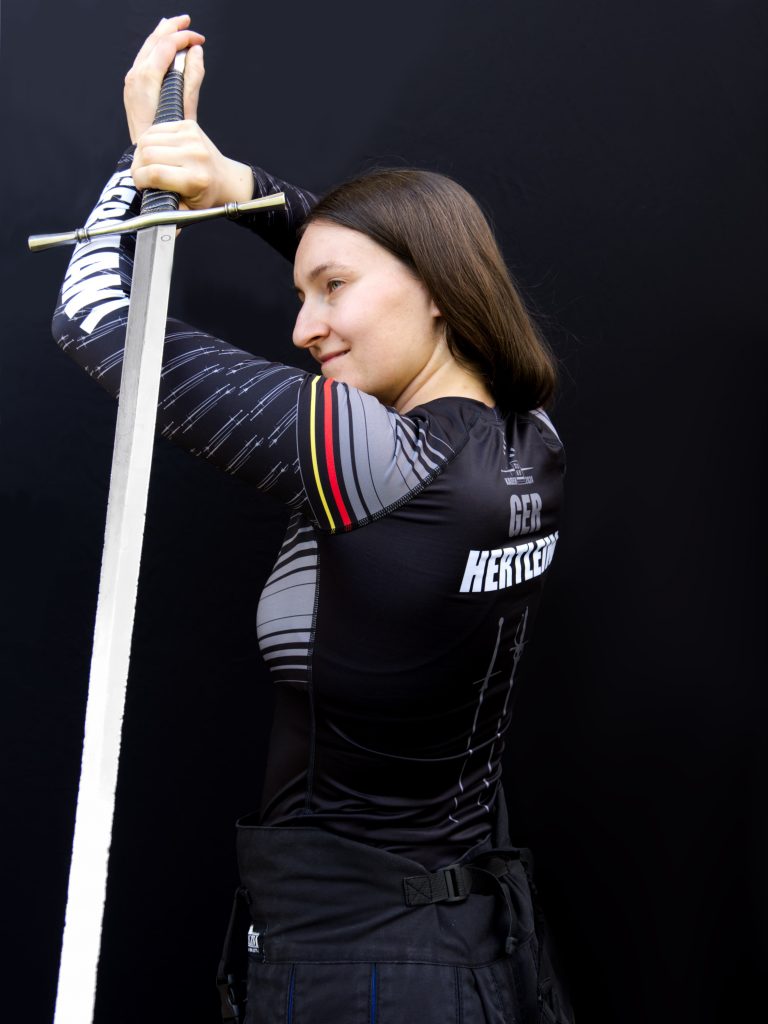
Alber – a little-used Hut & its practical application
The numerous variations that can be derived from the Alber, and their practical application in terms of distance management and timing, in order to achieve a clean exchange.
Minimum required equipment:
• Gloves
• Mask
• And of course a longsword
About the Instructor. Marina Hertlein has been practicing HEMA since 2019. Her primary weapon is the longsword.
She is very active at the international tournament scene, where she uses her technique under pressure. Look forward to tried and tested techniques.
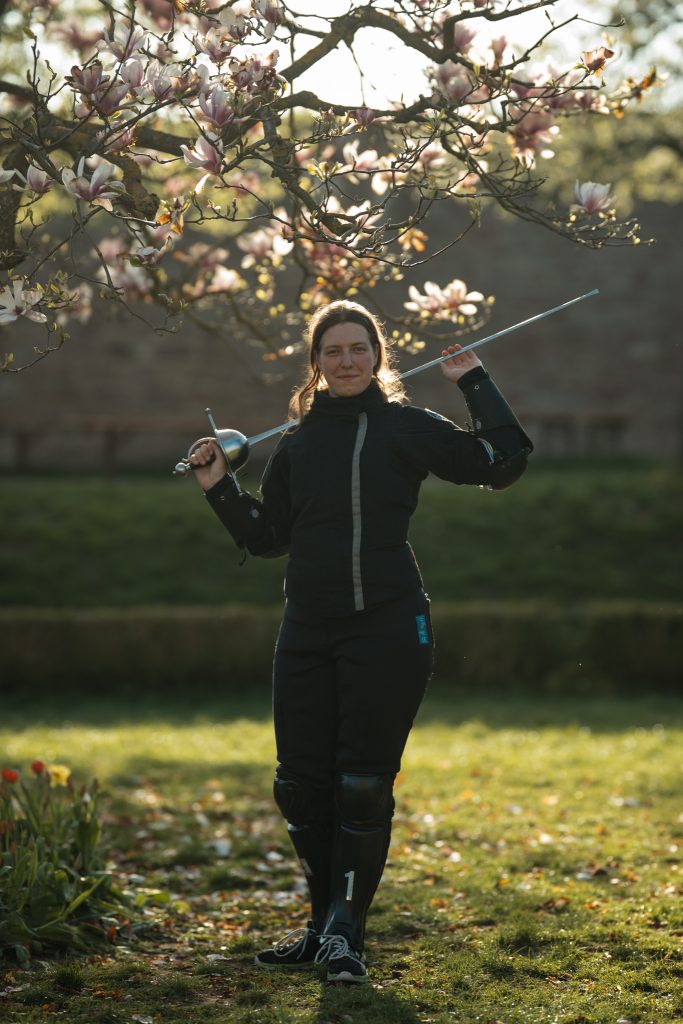
Coaching under pressure: Supporting fencers in competition
We will explore how coaches can positively or negatively influence fencers’ competitive performance. The workshop is based on the Theory of Challenge and Threat States in Athletes.
After a brief theoretical introduction, participants will put the theory into practice. Through practical exercises, participants will examine which statements promote confidence, a sense of control, and the ability to act, and which formulations may create additional pressure, uncertainty, or a sense of being overwhelmed.
About the Instructor. I have been active in HEMA since 2021 and compete nationally and internationally. Alongside competing, I work as a coach in two clubs and regularly teach at HEMA events.
I hold a degree in teacher education with a focus on inclusive pedagogy and am currently training to become a child and adolescent psychotherapist. This background shapes my approach to training design and helps me adapt instruction to different learning needs. My teaching particularly focuses on motivation, performance pressure, and individual development.
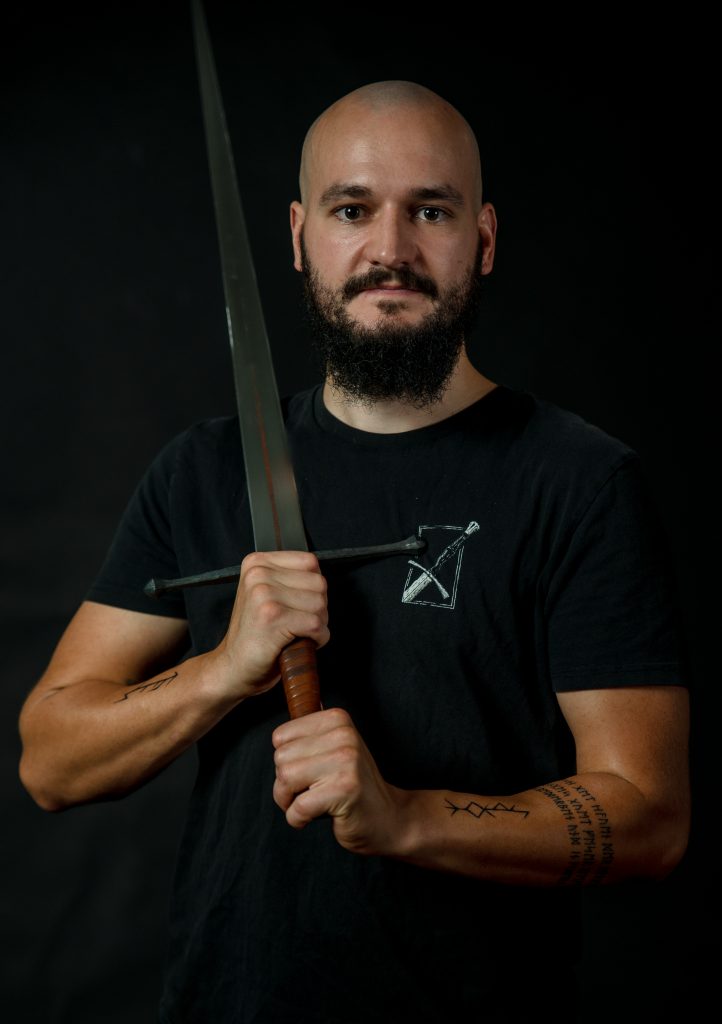
How to get the most out of the training as a Zufechter or coach – for you and your partner
When training the „boring“ part, the part of the coach ist often neglected. How to stay focussed, having fun as the coach and giving your student the proper signals ha has to work with.
About the Instructor. Michael Moritz – „MiMo“ started historical fencing in 2010 with Gladiatores Munich and has been working as a trainer since 2014.
Next to the progress in HEMA he accomplished a fitness trainer license and transfers the knowledge in his training sessions. His approach promotes precise technique, body control, and functional fitness – whether with a longsword, dagger, or halberd.
Since 2025, he has been fencing and teaching at Schwert und Bogen Nuremberg.
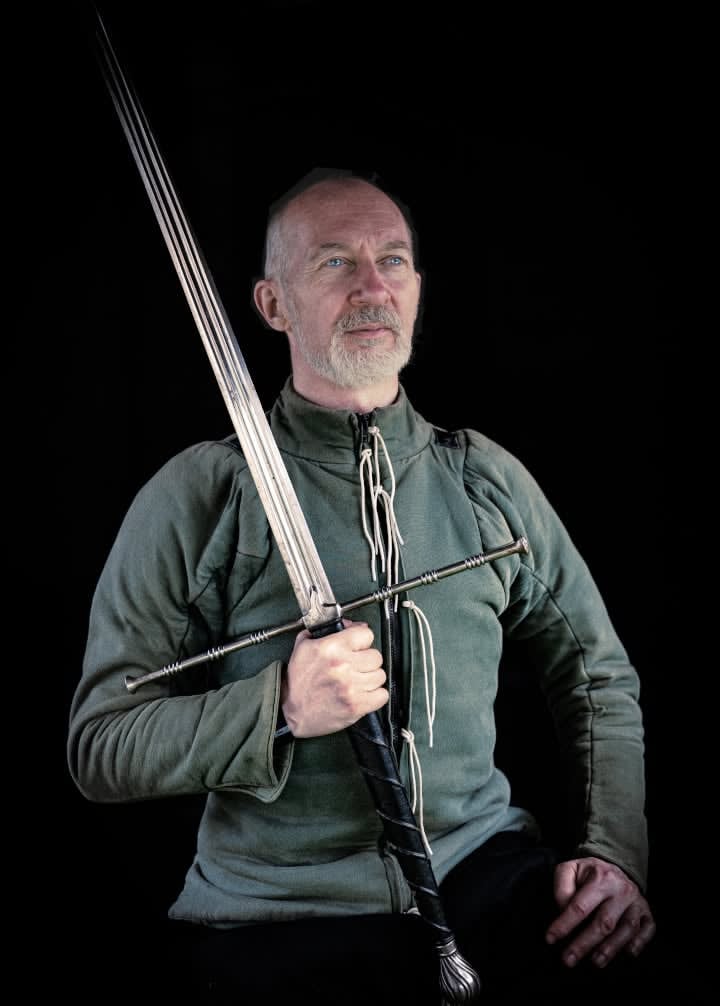
Fencing as a System in Pietro Monte
The way of the sword for two hands is also used for play with short weapons, and this play is called levata in the vernacular, which is to be understood as the first blows which we begin to teach or to learn.’ – Pietro Monte, The Collectanea 1509. Fencing masters often spread their explanations of their way of fighting across various parts of their books. However, to really understand it, we have to approach it as a system. Fortunately, Pietro Monte makes it explicit that his play with the two-handed sword is the basis for all the ‘short’ weapons. In this break-out session, we will explore how Monte’s levata of the sword (his fundamentals), applies to both the two-handed sword/longsword and the sidesword, and how these differ in application.
About the instructor: Mike Prendergast has been studying and practising historical European martial arts since 1999. The founder and chief instructor of the Historical Combat Academy in Dublin, Ireland, he has co-translated and teaches from Pietro Monte’s martial anthology ‚The Collectanea‘ (1509). Mike studies Italian Renaissance fencing styles, including Bolognese fencing, the rapier of Nicoletto Giganti (1606) and the system of Fiore dei Liberi (c. 1410). He instructs and competes in tournaments internationally and continues to explore the connections between period practice and fencing effectiveness
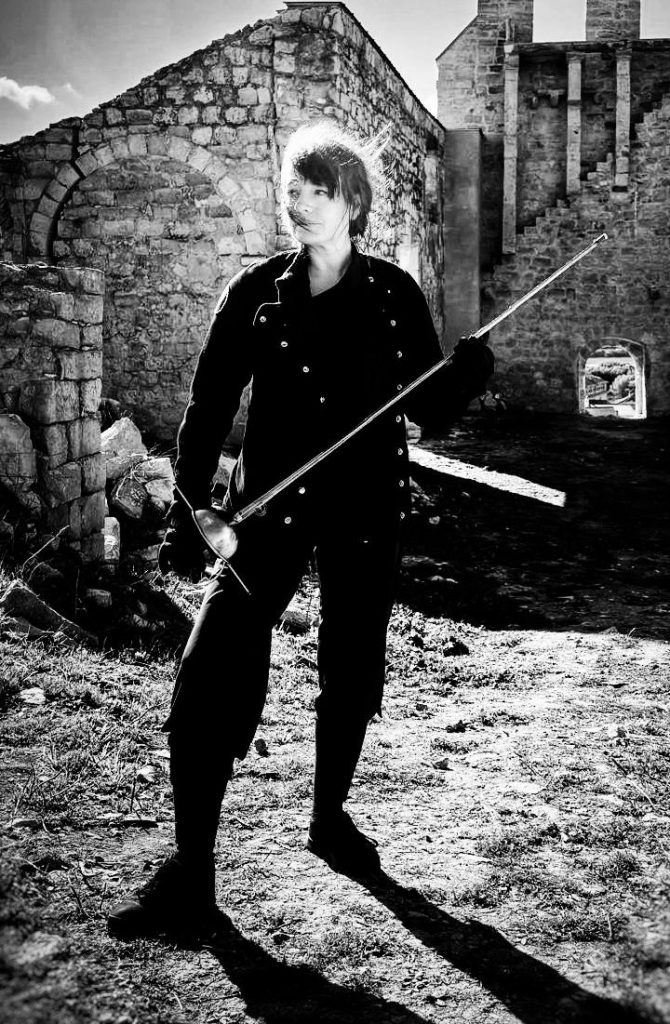
The Destreza Kick
Kick it like Ferrara! Nadja presents the possible counters to a vulgar technique, called „Torneada“, which is a spinning attack, suggested by Octavio Ferrara in his manuscript from 1625.
About the Instructor. Nadja has been practicing Historical Fencing at the Academia da Espada Deutschland since 2022, with a primary focus on rapier fencing, particularly her favorite combination of rapier and dagger. She also enjoys training with the Iberian montante and the smallsword.
She brings prior martial arts experience from Việt Võ Đạo and Ju-Jutsu, providing a solid foundation for her fencing practice.
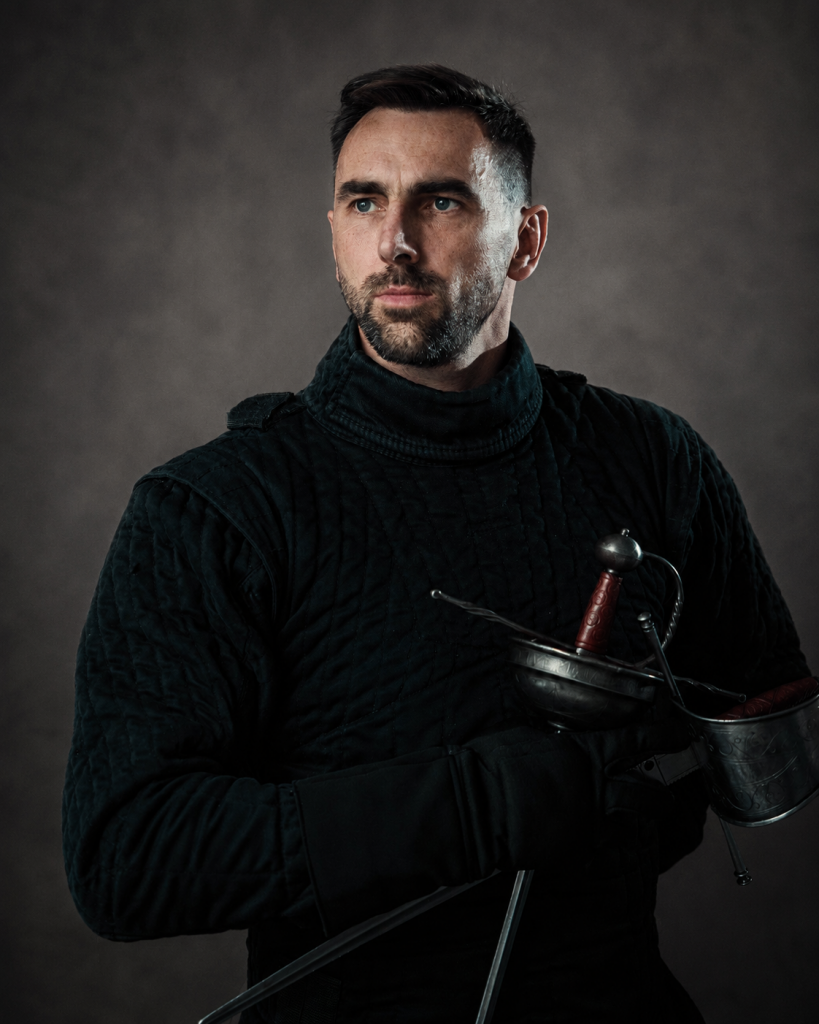
Non-Linear Movement in Fabris’ Proceeding with Resolution
Explore how Salvator Fabris uses offline steps and angular movement in Proceeding with Resolution. Through selected rapier and rapier-dagger actions, this workshop examines body structure, footwork, and safe entry into misura larga beyond linear fencing.
About the Instructor. Radek Duszynski started HEMA in 2016 at Arma PL Poznań, focusing on longsword before transitioning to rapier in 2018. Since then, he dedicated his study to the teachings of Salvator Fabris, applying the master’s principles in competitive tournament fighting.
Radek has been teaching rapier and rapier & dagger since 2021, blending Fabris’s system with practical tournament experience.
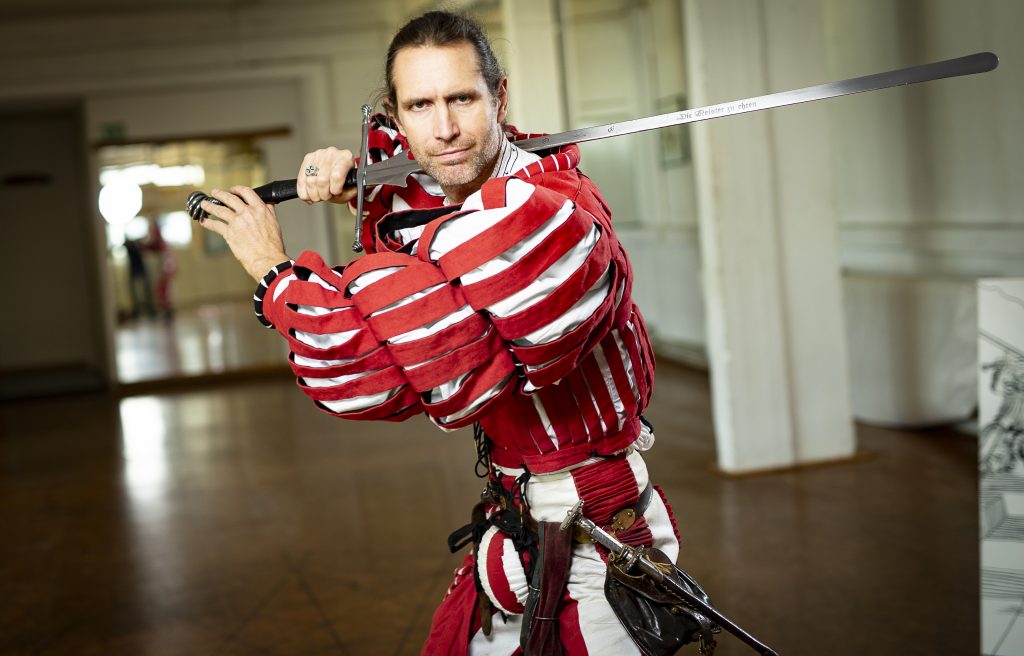
Sicheres Blossfechten
How feasible is and was Blossfechten?
Topics will include:
- How can I apply the rules safely?
- What is the right mindset for Blossfechten?
- How well do I need to be able to handle my sword?
- What constitutes safe hitting, and how can I learn to do it?
About the Instructor. alf Gutzeit has been training in European Historical Martial Arts (HEMA) since 1997. His first teacher was Peter Koza, founder of Magisterium.
2005 – Founded his own professional school, “Klopffechters Erben,” in Bremen, Germany.
2009 – Presented a cutting test at the Magisterium Symposium in Slomonice, Slovakia.
2011 – Appointed “Untermeister” (Under-Master) of the Magisterium school.
2011 – Began training with “Guildum Gladiatorum Sancti Michaelis.” Started intensive training in Blossfechten (unarmoured fencing) based on the teachings of Joachim Meyer.
2015 – Hosted the “InterSword Symposium der ritterlichen Künste” in cooperation with the Lower Saxony State Museum in Emden.
2017 – Hosted “InterSword II – Symposium der freien Kampfkunst.”
2019 – Appointed Journeyman (Geselle) of “Guildum Gladiatorum Sancti Michaelis.”
2020 – Published his first book on structured fencing training, “Klopffechters Fechtbuch.”
2024 – Appointed Master (Meister) of “Guildum Gladiatorum Sancti Michaelis.”
2025 – Instructor for Longsword and Halfstaff at “Fechtschule Brügge.”
2025 – Instructor for Longsword at “Hanseschlag Hamburg.”
2025 – Instructor for Longsword at the “Bad Doberaner Schwert-Tag.”
2026 – Instructor for Longsword at “Fechtschule Brügge.”
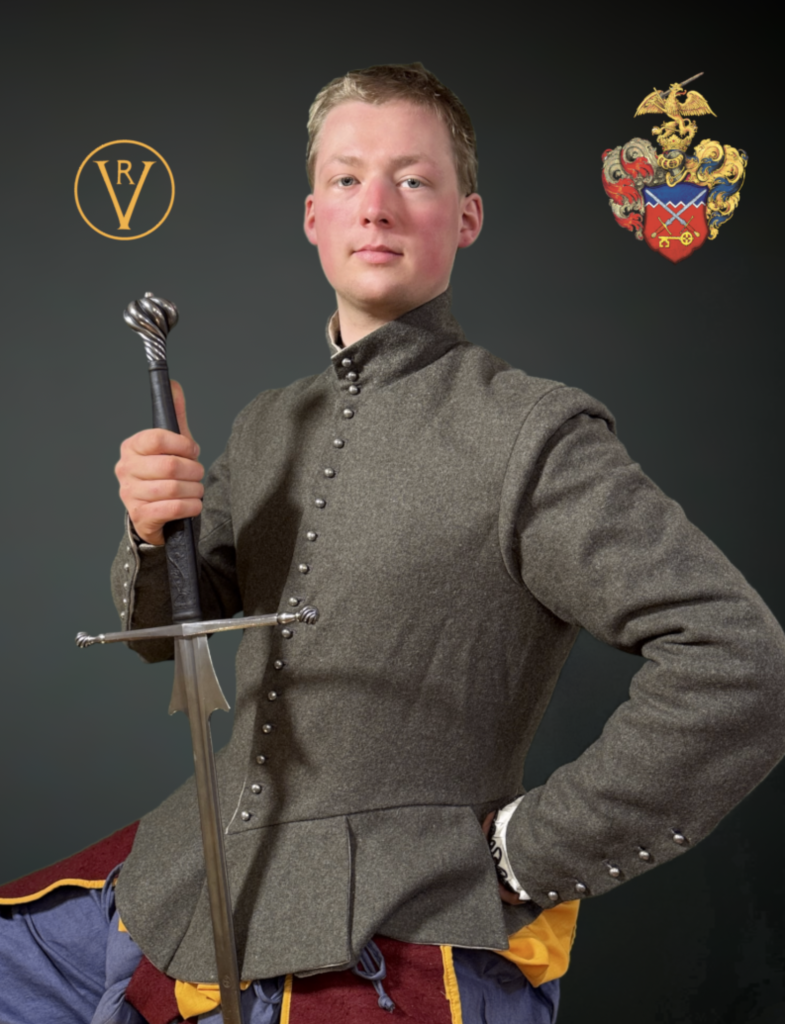
Fencing in the Tradition of Joachim Meyer’s 1570 Bookprint from Strasbourg.
We will work with all three Tempi.
Vor. Indes. Nach.
What can I do when my action is to early?
What can I do when its to late?
We will start with the „Krumphau“, going on with „Kurzhau“ and see how far we will make it during this class.
Looking forward to see you in my Workshop.
About the Instructor.
2012 – Began training at „Klopffechters Erben“ under fencing master Ralf Gutzeit
2015 – Joined the Guildam Gladiatorum Sancti Michaelis (aka Fencer’s Guild)
Since 2024 – Fencing Master at Fencer’s Guild
Senese’s Perspective
From the 7 principles to the annervated lunge: the fencing that begins before the guard. Alessandro Senese had strong opinions. He disliked static fencing, hand parries, and in his opinion daggers make you fence poorly. Instead, he proposes a system built around continuous movement, pressure, and what he calls the „Long Perfect Game.”
In this 30-minute workshop we’ll explore how these principles come together to create a style of fencing that is constantly moving, constantly threatening, and always defending while attacking. If you’ve ever wondered why Senese dismisses static guards and insists that the „true use“ of the sword begins before you even form one, this workshop is for you.
About the instructor: Rui Ferreira is one of the founders and instructors of Portuguese club Espada Negra.
Since 2015 he’s dedicated his study to British Military Sabre of the Napoleonic Period focusing on „the Art of Defence on Foot“ by Charles Roworth, complemented by the study of the Angelo tradition that preceded.
In 2016 he became an assistant instructor by the Academy of Historical Fencing where he studied with Nick Thomas both Sabre as well as Capo Ferro Rapier.
He’s also translated several treatises to both Portuguese and English several other treatises and manuals of other weapons used in the Napoleonic period.
Rui is also the artist behind the Fencing Masters project where he painted several of the fencing masters we study based on their depictions, and has collaborated with several schools and hema shops to help design their logos and equipment alike.
But his focus isn’t the sabre alone, Rui teaches smallsword focusing on Domenico Angelo but broadening to other french masters, and additionally rapier as well with a strong focus on Capo Ferro and turning to later sources to make the bridge to smallsword, always with the goal of enriching his own knowledge of fencing as well as that of his students.
Introduction to Renaissance Dance
This workshop offers an introduction to the steps, movement qualities, and music of the Renaissance, based on the sources of Thoinot Arbeau. The focus lies on the interplay between music and movement — both in relation to the space and to one’s dance partner. No previous dance experience required.
About the Instructor. The mezzo-soprano and actress Sarina Wagner began fencing during her studies at the Music and Arts University of the City of Vienna (MUK), where she learned stage combat and stage fencing under Mel Stein. Since 2018 she has been studying the Italian rapier after Capoferro. She has been a member of the Academia da Espada since 2023.
The link between fencing and music has always been a theme for her.
In order to better understand theater and singing, she worked with sources to find the „true core“ of the art. She is not only well versed in old music and texts, but also studies historical dance and historical acting under Margit Legler.
For her, it is not only important to master the individual disciplines, but also to work across disciplines so that they can benefit from each other and create an interdisciplinarity and link between the arts and history.
This includes equestrian sports, which she has been practicing since the age of nine, and archery.
For her, it is important to find the art and music in every movement and to give it expression.
She also sings as a soprano in the Chorus Cellensis ensemble, which specializes in Renaissance vocal works. Concerts have taken her all over Europe
Dirty little Fingers: Fine Motor Skills in Weapon Handling
Fine motor skills in weapon handling: often the little things matter. Here, we focus on small movements that yield significant results.
This workshop examines the role played by fingers in weapon handling. An overly tight grip often hinders the most effective movement. When fingers are used correctly – relaxing or tensing at the right moment and each by each – they facilitate better force transmission upon impact or allow for smoother, more effortless weapon handling.
About the Instructor. Tobias »Tobs« Prüwer has been practicing historical fencing for 12 years. He discovered the discipline relatively late, having come from a martial arts background –with years of Judo and Karate under his belt – and a detour through medieval fair reenactment combat. He now devotes himself to the art with all the more intensity at the Stahlakademie.
In addition to the longsword, he is particularly passionate about the half-staff, though he also enjoys sword-and-buckler fencing and the great battle sword. In his professional life, he is a trained historian, journalist, and author; occasionally, he manages to bridge the two worlds.
He recently published the book »Fight Club – Eine Philosophie des Schwertkampfs« (Parodos Verlag).
How to structure your training schedule more efficiently
This breakout session want’s to inform you about the topic of structured training programms. How does a training cycle work, how to most efficiently build a working training routine and how to prevent overtraining and injuries.
About the Instructor. Tobias started Hema in 2023 and primarily fences Longsword and Sabre. He quickly rose up as one of the top German fencers both nationally and internationally and also managed to win the title of German Champion in 2025.
He also studies Fitness Science in Munich and works as an coach for medical training in an studio which gives him a lot of knowledge about training and fitness.
Many faces of tramazzone in bolognese sidesword
Many times tramazzone comes up in bolognese sidesword fencing. It has many uses and it is the most versatile hit/movement made in this style. The idea is to demonstrate our aproach to understand this elegant and surprisingly practical move.
About the Instructor. I have practiced martial arts since the age of seven, building a lifelong foundation in combat disciplines, technical development, and martial pedagogy. In 2023, I discovered Historical European Martial Arts (HEMA), where I found the opportunity to study and practice historical fencing through original source material. The same year, I began coaching HEMA. Also in 2023, together with a fellowship of eight other practitioners, I co-founded a HEMA sports club, where I serve as the Head Coach.
My coaching is firmly rooted in the original fencing treatises of the sixteenth century. I strive to teach techniques as faithfully as possible, relying exclusively on period-written sources rather than later interpretations whenever practical. Our fellowship specializes in the Bolognese school of fencing, with a primary focus on the sidesword. We also study other period weapons and weapon combinations to gain a broader understanding of the martial system.
I believe that historical fencing cannot be fully understood by studying techniques in isolation. My primary objective is to recreate the tactical mindset and historical context of the period, allowing the techniques to be interpreted through the principles and realities of sixteenth-century martial practice. The foundation of my own study and instruction is based primarily on the works of Giovanni dall’Agocchie, whose treatises form the core of my technical approach.
Four humours of fencing
We will look at different types of fencers, as described in historical manuals and we will learn how to recognise them and what techniques work best against each. Expect a session with a lot of movement and a lot of dynamic problem solving.
About the Instructor. Victoria is teaching in HEMA Copenhagen, in Denmark. She has been fascinated with swords ever since she could pick up a stick without poking her eye out, and has been doing HEMA for the last 15 or so years with emphasis on the rapier (and a little longsword on the side).
Her main background is in Fabris, but she dabbles in a dozen other traditions. Lately she’s been digging deep into the pedagogy of acquiring expertise in the context of fencing.
The Location: